William Frankenstein
William Frankenstein is the youngest son of Alphonse Frankenstein and Caroline Beaufort, the beloved younger brother of Victor and Ernest Frankenstein, and a cherished member of the Geneva household. His murder at the hands of the monster is the first direct act of violence against Victor's family, a crime that shatters the family's peace and sets in motion a cascade of grief, false accusation, and further tragedy. William's death is not merely a personal loss; it is the monster's calculated opening blow in a campaign of revenge against his creator, and it exposes the fatal consequences of Victor's abandonment of his creation.
Identity and Background
William is introduced through a letter from Elizabeth Lavenza to Victor, written while Victor is convalescing in Ingolstadt. Elizabeth describes him as "very tall of his age, with sweet laughing blue eyes, dark eyelashes, and curling hair" and notes that when he smiles, "two little dimples appear on each cheek, which are rosy with health" . He is a lively, affectionate child, already showing a playful nature with "one or two little WIVES," his favorite being a pretty five-year-old girl named Louisa Biron . He is the youngest of the Frankenstein children, born after Victor's departure for the university, and his presence is a source of joy and pride for the entire family. Ernest later calls him "our darling and our pride" .
The Murder
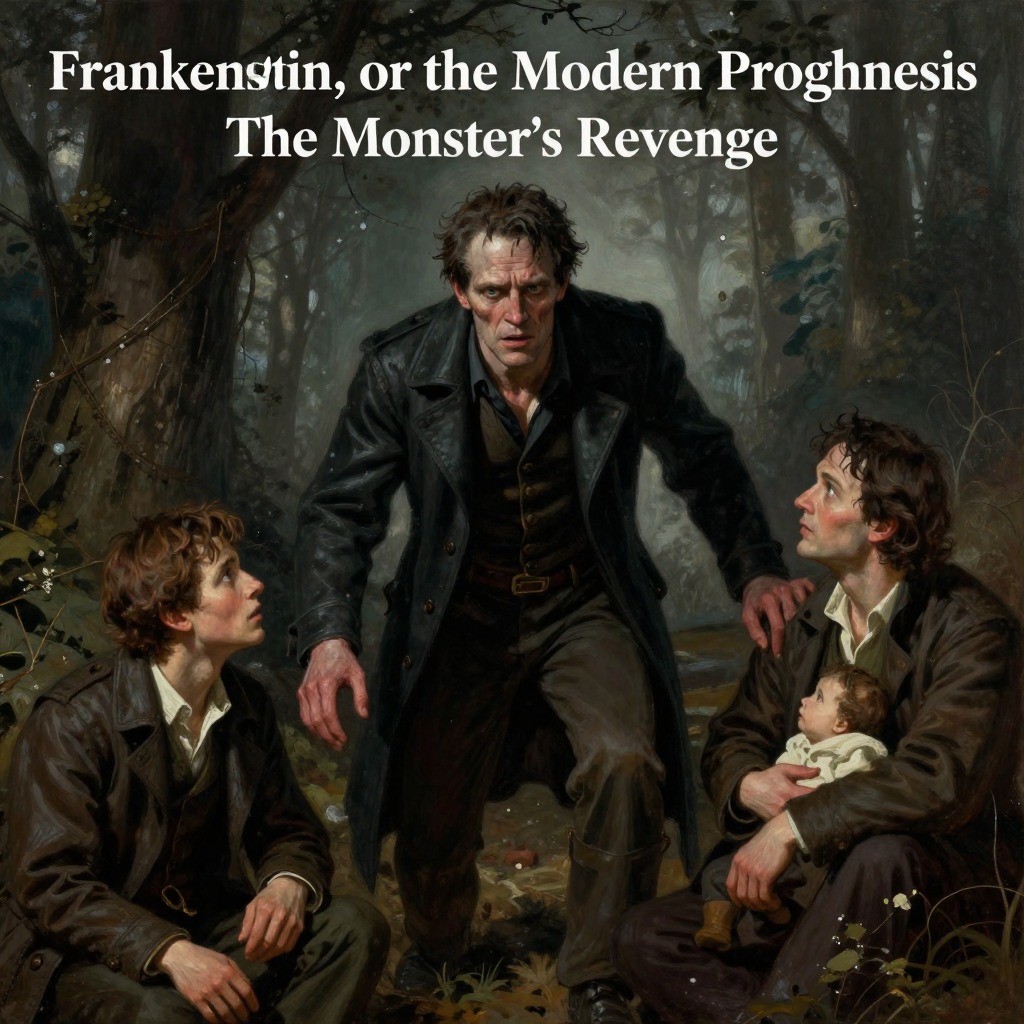
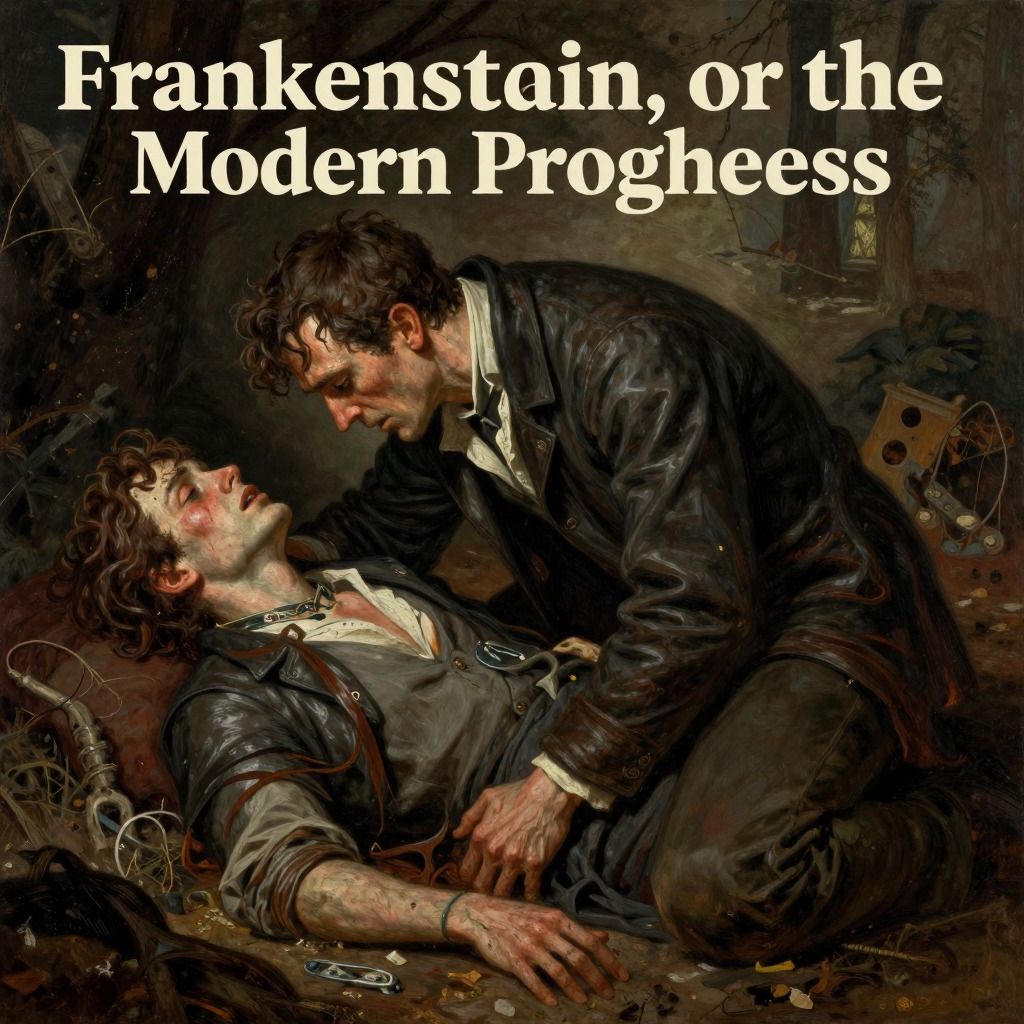
The murder occurs on the evening of May 7th, during a family walk in Plainpalais. Alphonse Frankenstein, Elizabeth, and the two brothers, William and Ernest, go out together. The evening is warm and serene, and they walk farther than usual. As dusk falls, they realize William and Ernest, who had gone on ahead, are missing. Ernest returns alone, explaining that he had been playing with William, who ran away to hide, and that he searched for him in vain. The family searches until nightfall, and then returns home, only to find William is not there. Alphonse continues the search with torches, and at about five in the morning, he discovers William's body: "stretched on the grass livid and motionless; the print of the murder's finger was on his neck" . The child has been strangled. The body is conveyed home, and the anguish on Alphonse's face betrays the secret to Elizabeth, who, upon seeing the corpse, exclaims, "O God! I have murdered my darling child!" . She reveals that earlier that evening, William had teased her into letting him wear a valuable miniature portrait of Caroline Beaufort, Victor's mother. The portrait is missing, and Elizabeth believes it was the temptation that urged the murderer to the deed .
Consequences and the Framing of Justine
William's death plunges the Frankenstein family into profound grief. Alphonse writes to Victor, summoning him home: "William is dead! — that sweet child, whose smiles delighted and warmed my heart, who was so gentle, yet so gay! Victor, he is murdered!" . He urges Victor to return, not for vengeance, but to console Elizabeth, who "weeps continually, and accuses herself unjustly as the cause of his death" . Victor, already haunted by the monster he created, immediately suspects the truth. On the night of his arrival in Geneva, he visits the spot where William was killed and, during a violent thunderstorm, sees the monster among the rocks of Mont Saleve. He becomes convinced: "Nothing in human shape could have destroyed the fair child. HE was the murderer!" . However, Victor remains silent, fearing his tale would be dismissed as madness. The discovery of the missing miniature portrait in the pocket of Justine Moritz, a beloved servant, leads to her arrest, trial, and eventual execution for William's murder. Victor, knowing the true murderer, is consumed by guilt, recognizing that Justine is "the first hapless victims to my unhallowed arts" . The monster himself later confirms the murder, recounting how he seized the boy, who cried out that his father was M. Frankenstein, and that he "grasped his throat to silence him, and in a moment he lay dead at my feet" . The monster then places the portrait on the sleeping Justine to frame her .
Thematic Significance
William's murder is the pivotal event that transforms Victor's abstract horror at his creation into a tangible, personal catastrophe. It is the monster's first deliberate act of revenge, a direct response to Victor's rejection and abandonment. The child's innocence and beauty stand in stark contrast to the monster's ugliness and malice, yet the monster's own narrative reveals that he initially hoped to befriend the child, seeing him as unprejudiced . William's death is thus a double tragedy: the destruction of an innocent life and the final corruption of the monster's own potential for goodness. The framing of Justine, an innocent herself, compounds the injustice and deepens Victor's guilt, making him complicit in two deaths. William's murder is the first of a series of losses that Victor will endure, and it sets him on the path of revenge that consumes the rest of his life. In his final moments, Victor lists William among those whose names should be invoked to condemn the monster: "call on the names of William, Justine, Clerval, Elizabeth, my father, and of the wretched Victor, and thrust your sword into his heart" .